Donghua
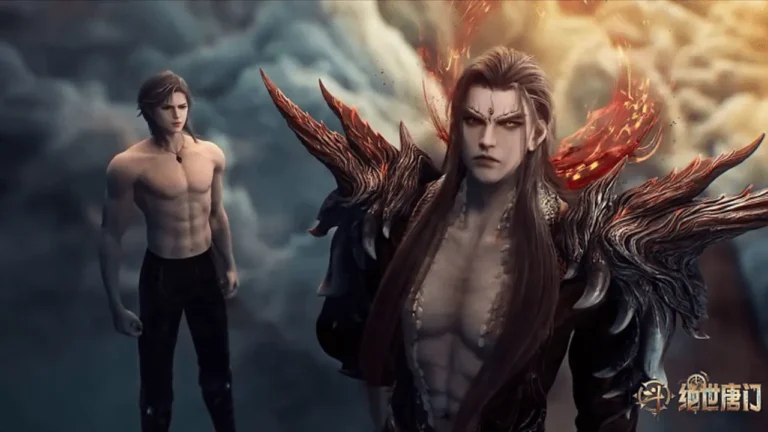
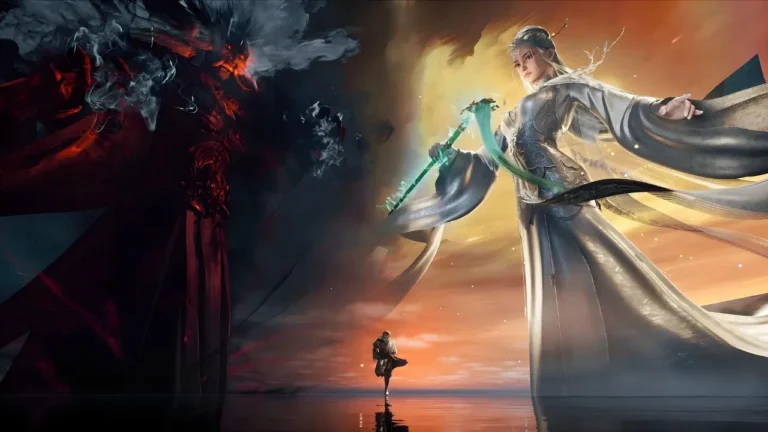
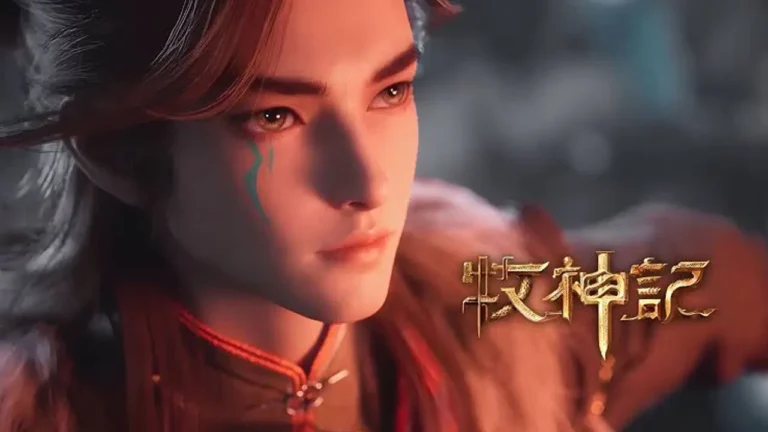
Chinese animation—popularly known as Donghua—has undergone a massive transformation in the last decade. What once began as simple hand-drawn films is now a global entertainment giant with cinematic CGI, international releases, and millions of fans.
In this detailed, human-written, we explore everything about Donghua — its history, genre breakdown, famous titles, studios, and future.
What Is Donghua? (Definition & Meaning)
Donghua (动画) simply means animation in Mandarin. Worldwide, fans use the term to refer specifically to Chinese animated series and films, usually inspired by:
- Chinese mythology
- Wuxia martial arts
- Xianxia cultivation
- Historical fantasy
- Web novel adaptations
Just as Japan has anime, China has donghua — a powerful storytelling medium blending culture, fantasy, and stunning visuals.
Complete History of Donghua
Donghua has a long journey from its origins to worldwide growth.
Early Roots (1920s–1940s): The Beginning
Chinese animation began in the 1920s with experiments influenced by:
- Shadow puppetry
- Folklore
- Traditional art
Milestones:
- 1926: First experimental Chinese animations
- 1941: Princess Iron Fan — China’s first full-length animated film
- The Wan Brothers became pioneers of early Donghua
This era laid the artistic foundation.
Golden Age (1950s–1980s): Art, Culture & Innovation
The mid-20th century is widely considered the golden period of classic Donghua, defined by:
- Hand-drawn animation
- Water-ink art styles
- Mythological storytelling
Iconic works include:
- Havoc in Heaven (Monkey King)
- Three Monks
- Nezha Conquers the Dragon King
These titles remain national treasures.
Modern Rebirth (2005–2015): New Studios & Technology
Between 2005 and 2015, China shifted into modern animation using digital tools and CGI.
Key developments:
- Rise of studios like Haoliners, Sparkly Key
- Adaptation of web novels
- Early commercial hits like Pleasant Goat & Big Big Wolf
This era rebuilt the industry into something bigger.
Global Boom (2016–Present): Donghua Goes International
Since 2016, Donghua has exploded worldwide thanks to:
- Multi-million-dollar investments
- Streaming platforms (Tencent, Bilibili, iQIYI)
- Global licensing by Netflix, Crunchyroll, YouTube
- High-end CGI martial arts series
- Adaptations of best-selling novels
Modern Donghua is now a major global competitor to anime.
Why Donghua Is Becoming Popular Worldwide
Donghua’s international rise is driven by several powerful factors.
Unique Chinese Cultural Themes
Donghua brings new flavors that stand out from Western animation and Japanese anime:
- Cultivation systems
- Ancient dynasties
- Spirits, demons, gods
- Chinese martial arts
- Mythology-driven storytelling
This cultural depth attracts global audiences.
World-Class CGI & Cinematic Visuals
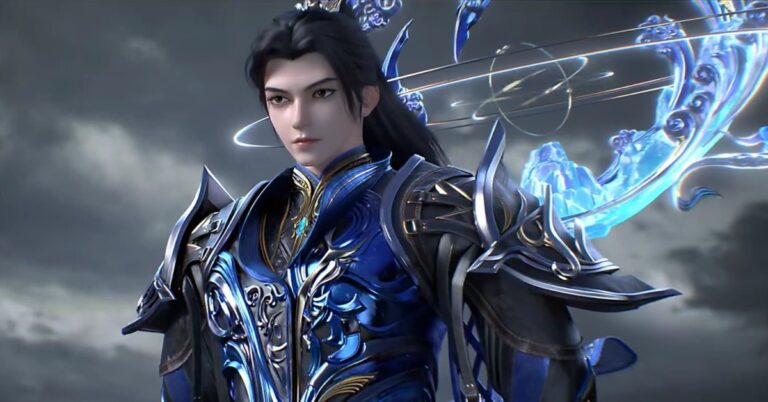
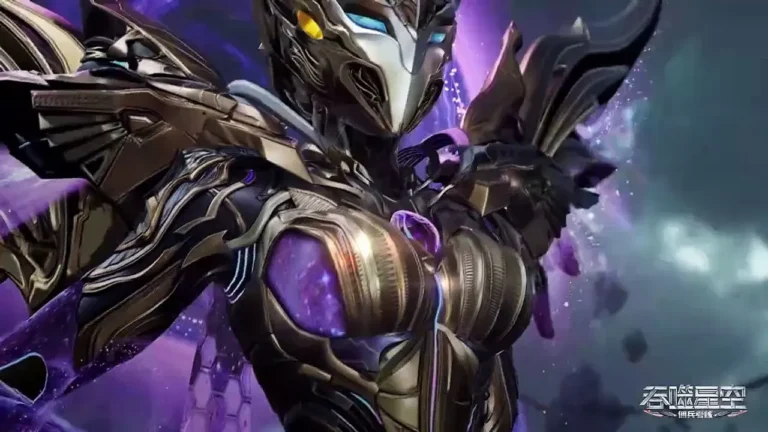
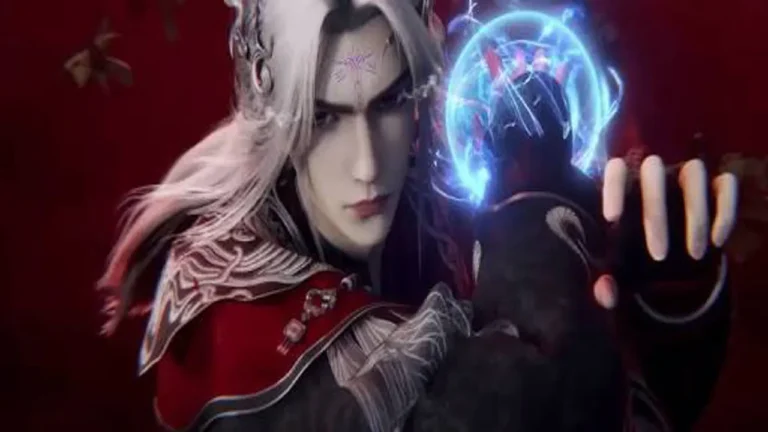
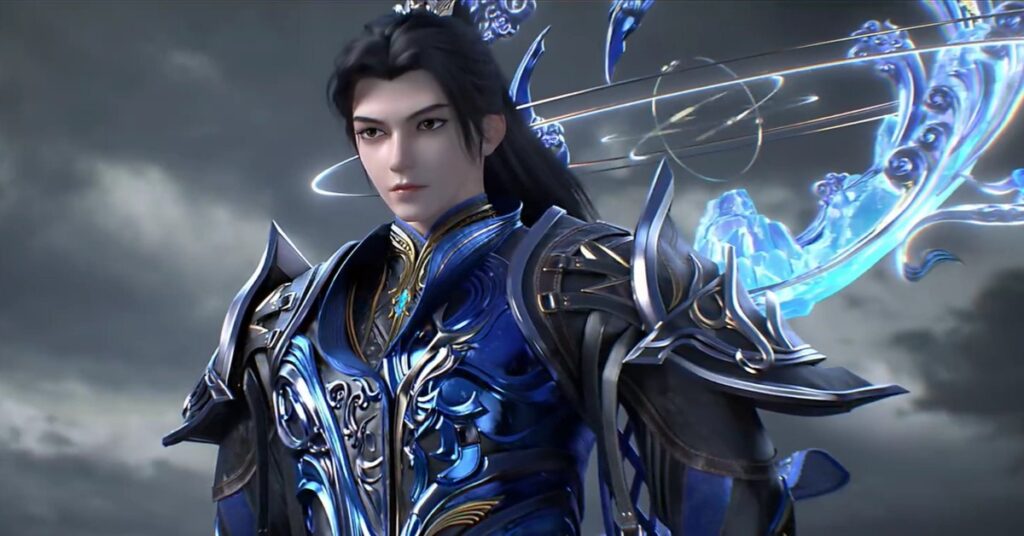
Many Donghua productions have movie-quality CGI.
Strengths include:
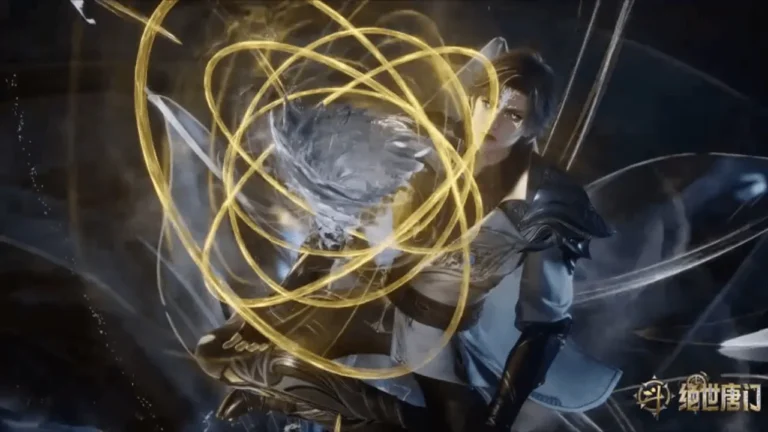
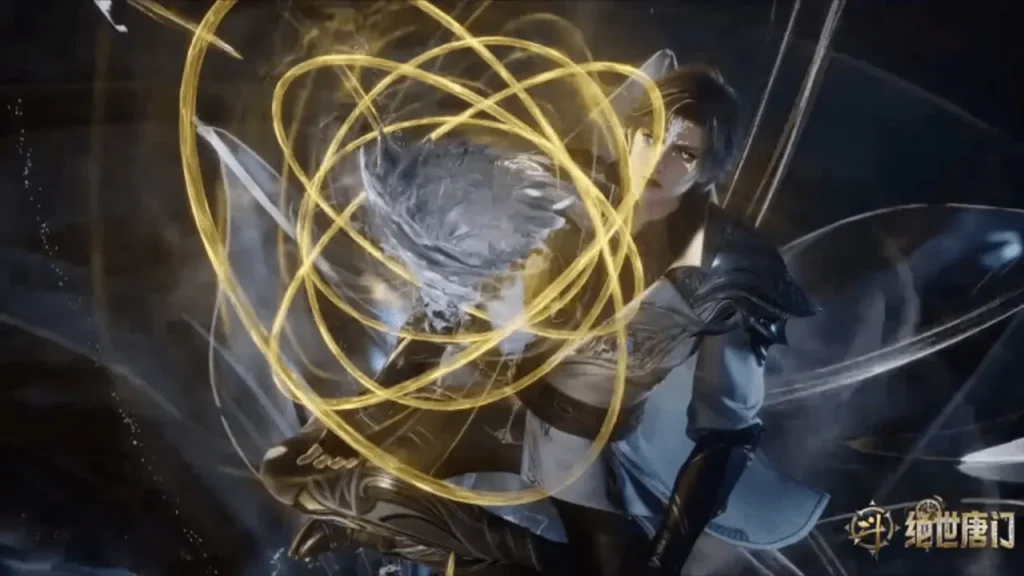
- Fluid fight scenes
- Beautiful ancient landscapes
- Qi/energy effects
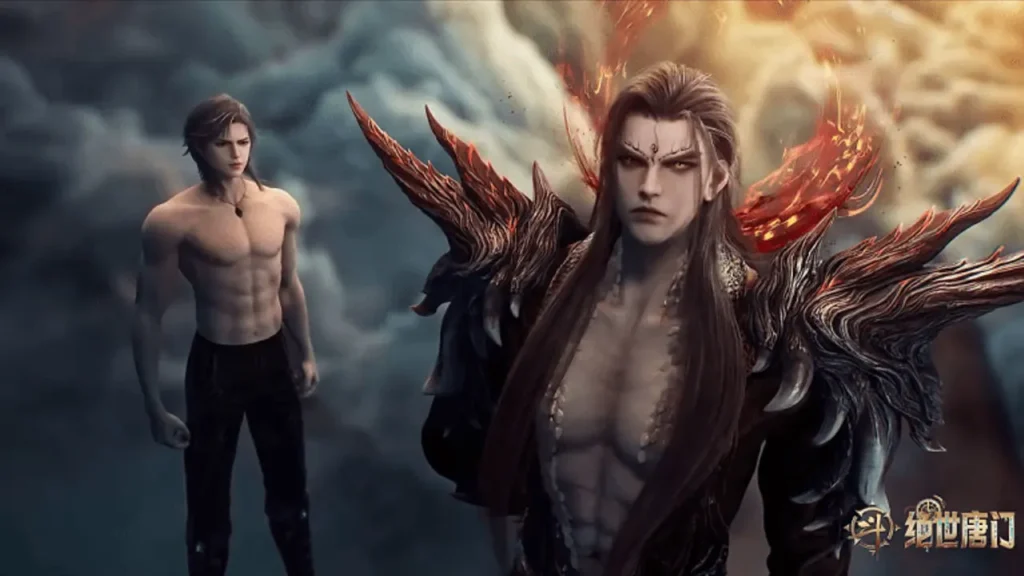
- High-detail character design
Studios like Sparkly Key push CGI beyond traditional anime.
Adaptations From Hit Web Novels
China’s web novel culture is massive. Popular novels often become hit Donghua series.
Examples:
- Mo Dao Zu Shi
- The King’s Avatar
- Battle Through the Heavens
- Perfect World
- Lord of the Mysteries (upcoming)
Fans already familiar with the novels fuel the hype.
Frequent Episodes & Multi-Season Releases
Compared to anime, Donghua often releases:
- More episodes per year
- Continuous, long-term seasons
- Faster updates
This keeps the audience hooked.
Strong Government & Industry Support
China views Donghua as a cultural export and invests heavily in it.
Result: better studios, advanced technology, and global distribution.
Donghua vs Anime: Differences
While Donghua and anime share similarities, they differ in style, structure, and storytelling.
Art Style Differences
Donghua visuals often include:
- 3D CGI
- Chinese clothing (Hanfu)
- Ancient architecture
- Realistic fight movements
Anime leans toward:
- 2D animation
- Big expressions
- Bright stylized colors
Themes & Storytelling
Donghua commonly focuses on:
- Cultivation
- Martial arts
- Demons & deities
- Chinese legends
- Historical settings
Anime is usually based on:
- School life
- Romance
- Sci-fi
- Fantasy
- Isekai worlds
Language & Voice
Donghua uses Mandarin, giving a different emotional tone from Japanese anime.
Production Approach
Chinese studios often work on long-term multi-season projects with 3D pipelines, while Japanese studios typically produce short Cour seasons with 2D focus.
Popular Donghua Genres (Full Breakdown)
Donghua covers many genres for different audiences.
Xianxia (Immortal Cultivation)
The most popular genre worldwide.
Key elements:
- Qi energy
- Spiritual breakthroughs
- Sects, clans, ancient realms
- Magical beasts and artifacts
Famous titles:
- Battle Through the Heavens
- Perfect World
- Martial Universe
- Stellar Transformations
Wuxia (Martial Arts Heroes)
Centered on martial techniques, honor, loyalty, and Jianghu (the martial world).
Top wuxia Donghua:
- The Legend of Qin
- The King’s Avatar
- White Cat Legend
Fantasy & Mythology
Often inspired by Chinese legends.
Examples:
- White Snake
- Fog Hill of the Five Elements
- Nezha Reborn
Comedy & Slice of Life
Light-hearted, short, and fun.
Popular titles:
- Ani ni Tsukeru Kusuri wa Nai!
- Non-Human Academy
Romance & BL Donghua
These genres have massive global fanbases.
Best examples:
- Mo Dao Zu Shi
- Heaven Official’s Blessing
Action & Supernatural
Often set in modern cities with supernatural twists.
Top titles:
- The Outcast
- Rakshasa Street
Best Donghua to Watch in 2025
A curated list of must-watch Donghua:
- Mo Dao Zu Shi – A masterpiece of music, drama, and martial fantasy
- Battle Through the Heavens – Stunning CGI cultivation battles
- Soul Land (Douluo Dalu) – Worldwide fan favorite
- Fog Hill of the Five Elements – One of the most beautiful animations ever made
- The King’s Avatar – E-sports perfection
- Perfect World – High-end cultivation Donghua
- Heaven Official’s Blessing – Emotional BL fantasy
- Stellar Transformations – Sci-fi meets xianxia
- Link Click – Genius time-travel thriller
- White Cat Legend – Chinese culture blended with comedy
Famous Donghua Studios & Creators
Here are the key players shaping the industry:
- Tencent Penguin Pictures – Massive catalogue and investment
- Bilibili Animation – Home of experimental and artistic animations
- Sparkly Key Studio – Masters of high-quality CGI
- Haoliners Animation – Known for international collaboration
- Colored Pencil Studio – Creators of stunning visuals
How Donghua Is Produced (Behind-the-Scenes)
Donghua production includes:
- Scriptwriting (often from novels or manhua)
- Storyboarding
- Character modeling
- World design
- CGI animation
- Fight choreography
- Voice acting
- Rendering
- Music composition
The heavy use of 3D makes production complex but results in smooth, cinematic visuals.
Donghua’s International Rise
Platforms bringing Donghua to the world:
- Netflix
- Crunchyroll
- YouTube
- Amazon Prime Video
- Bilibili Global
Western audiences are increasingly drawn to Chinese culture, mythology, and cultivation stories.
Future of Donghua
The next 10 years will be huge for Donghua.
Upcoming trends:
- Bigger budgets
- Hollywood-level CGI
- More VR/AR animations
- International co-productions
- Global theatrical releases
- Adaptations of top-selling Chinese novels
China is positioning Donghua as a global cultural powerhouse.
Why You Should Start Watching Donghua
Donghua is evolving rapidly — emotionally rich stories, breathtaking visuals, cultural depth, and world-class animation quality. Whether you love martial arts, fantasy, romance, mythology, comedy, or supernatural action, Donghua has something unique to offer.
The golden age has only just begun — and now is the perfect time to dive into the world of Chinese animation.
Impact of Donghua on Global Pop Culture
Donghua is no longer limited to Chinese-speaking audiences. Today, it influences global trends, pop culture, animation styles, and fan behavior. As international viewers explore more diverse content, Donghua becomes a strong competitor in the animation market.
Its influence can be seen in:
- Growing fan communities on Reddit, TikTok, Discord, and YouTube
- Cosplay of Donghua characters at global conventions
- International merchandise sales for popular titles
- The rise of reaction channels reviewing Chinese animation
- Growth of language learning communities studying Mandarin through Donghua
This shift shows how Donghua is becoming not just entertainment but a global cultural export.
Why Donghua Appeals to Non-Chinese Viewers
Many international viewers discover Donghua accidentally—through YouTube clips, TikTok edits, or algorithm recommendations. But once they start watching, they stay for several reasons.
1. Fresh Storytelling Compared to Anime
Some fans become tired of repetitive anime tropes. Donghua offers something new:
- Unique power systems
- Philosophical themes
- Immortal realms
- Ancient sects
- Spiritual journeys
- Moral dilemmas grounded in Eastern philosophy
For viewers looking for fresh world-building, Donghua feels like discovering a new universe.
2. Longer World Expansion & Multi-Season Commitment
Many Donghua series adapt long web novels (often hundreds or thousands of chapters). This allows:
- Consistent long-running story arcs
- Deep character development
- Expanded lore and mythology
- Multi-season storytelling
Fans who enjoy long-term world-building find Donghua extremely satisfying.
3. Beautiful Chinese Aesthetic
Chinese visual culture is full of elegance:
- Flowing robes
- Ancient palaces
- Mythical landscapes
- Ink-wash backgrounds
- Traditional color tones
These aesthetics feel fresh and artistic, setting Donghua apart visually.
Role of Web Novels (Webnovels) in Donghua Growth
One of the biggest factors in Donghua’s rapid rise is the boom in Chinese web novels.
Platforms like:
- Qidian
- Webnovel
- Zhihu
- JJWXC
have produced millions of stories, many with massive fanbases.
For example:
- Mo Dao Zu Shi (BL Xianxia)
- Battle Through the Heavens (Xianxia)
- Stellar Transformations (Fantasy)
- The King’s Avatar (E-sports)
These novels reach millions of readers before ever becoming Donghua adaptations. As a result:
- Donghua starts with an established fan base
- Writers and studios already know what fans love
- The story direction is stable
- Merchandising opportunities are massive
Donghua and web novels now form a powerful entertainment ecosystem.
Challenges Faced by Donghua
Although Donghua is thriving, it also faces several challenges that limit its full global potential.
1. Limited Global Marketing
Compared to Japanese anime, Donghua suffers from:
- Less promotional content
- Fewer global events
- Lower English-subtitle quality
- Inconsistent release schedules
This affects international accessibility.
2. Platform Restrictions
Some Donghua is released only on:
- iQIYI
- Tencent Video
- Bilibili
These platforms may restrict access for international viewers or lack proper subtitles.
3. Dependence on CGI
While CGI creates stunning visuals, it sometimes causes:
- Stiff character movement
- Repetitive facial expressions
- Lower emotional depth compared to 2D animation
Some fans still prefer 2D Donghua, which is slowly making a comeback.
4. Pacing Problems in Long Novels
Since many Donghua adapt extremely long novels, pacing can become:
- Slow
- Repetitive
- Dialogue-heavy
- Filler-focused
However, newer adaptations are improving this significantly.
Economic Power of Donghua: A Billion-Dollar Industry
The Donghua industry has grown into a massive economic force.
Revenue streams include:
- Streaming subscriptions
- Merchandising
- Novel sales
- Manhua sales
- International licensing
- Movie releases
- Mobile games
- Toys & collectibles
- Theme parks
Some Donghua franchises like Nezha or Soul Land generate hundreds of millions in total revenue.
The success of these titles encourages investors to support new projects, creating more variety for viewers.
How Donghua Inspires Global Animation Studios
Many international studios now study Donghua for its techniques:
- Fight choreography
- CGI world-building
- Qi/energy visual effects
- Landscape design
- Chinese mythology adaptation
This influence is noticeable in several global productions that borrow Donghua-style aesthetics.
Evolution of Donghua Fight Animation
Donghua is known for top-tier fight scenes, especially in xianxia and wuxia series. Over the years, fight scenes have evolved:
Early Donghua
- Basic movements
- Limited camera angles
- Simple hand-drawn effects
2010–2020 Era
- Introduction of 3D models
- Complex martial arts
- Dynamic camera shots
- Particle effects
2020–Present
- Hyper-fluid CGI
- Multi-angle rotating camera sequences
- Real martial arts motion-capture
- Slow-motion energy bursts
- Hollywood-style cinematic direction
This evolution helped Donghua stand out globally.
Donghua Movies: The Growing Film Industry
Full-length Donghua films are becoming massive box-office hits.
Popular titles include:
- Nezha (2019)
- Jiang Ziya
- White Snake
- New Gods: Nezha Reborn
- Green Snake
These films are known for:
- High-quality storytelling
- Stunning animation
- Mature themes
- Global theatrical releases
In fact, Nezha broke multiple box-office records, proving Donghua films can compete with Pixar, Disney, and anime movies.
Donghua Fan Community (Global Fandom)
Donghua fan communities are growing across platforms like:
- Discord
- TikTok
- Bilibili Global
- Facebook groups
Fans create:
- Animations
- Memes
- Theories
- Character edits
- AMVs
- Fanfiction
- Reviews
This ecosystem strengthens the popularity of Donghua internationally.
Is Donghua Better Than Anime? (Neutral Analysis)
This is a widely debated question.
Donghua is better in:
- CGI quality
- Martial arts animation
- Cultivation world-building
- Mythological depth
- Multi-season continuity
Anime excels in:
- Emotion-rich 2D animation
- Global accessibility
- Diverse genres
- Strong marketing
Both industries have their strengths, and many fans enjoy both.
Upcoming Donghua Titles to Watch in 2026 and Beyond
Some of the most anticipated Donghua titles include:
- Lord of the Mysteries – One of China’s most popular novels
- The Fox’s Summer Donghua adaptation
- Grandmaster of Demonic Cultivation Season 4
- Battle Through the Heavens new arcs
- Martial Peak adaptation rumors
- Fog Hill of the Five Elements new chapter
These series will shape the future of the industry.
How to Start Watching Donghua (Beginner’s Guide)
If you’re new to Donghua, here’s how to begin:
Step 1: Pick Your Genre
- Fantasy: Perfect World
- BL: Mo Dao Zu Shi
- Action: The King’s Avatar
- Time-travel: Link Click
- Mythology: White Snake
Step 2: Choose Your Platform
- YouTube (official uploads)
- Bilibili
- Tencent Video
- Netflix
- iQIYI
Step 3: Join a Community
Communities help you discover more titles, episodes, and updates.
Influence of Chinese Mythology in Modern Donghua
One of the strongest pillars of Donghua storytelling is its deep connection to Chinese mythology. Ancient tales, legendary heroes, deities, demons, and spiritual realms are frequently reimagined in modern animated form. This blend of old mythology and new animation technology creates a unique storytelling experience.
Chinese mythology includes:
- The Four Symbols (Azure Dragon, Vermilion Bird, White Tiger, Black Tortoise)
- Eight Immortals
- Monkey King and Journey to the West characters
- Mythical beasts such as Qilin, Pixiu, and Taotie
- The Heavenly Court and various deities
- Legends like Nezha, Erlang Shen, and White Snake
These legends form the backbone of many famous Donghua titles.
How Mythology Enhances Donghua Storytelling
Mythology adds:
- Symbolic meaning
- Cultural richness
- Deep character background
- Moral lessons
- Elevated world-building
For example, Nezha Reborn modernizes a centuries-old tale into a cyberpunk setting while keeping the soul of Nezha’s rebellion and destiny intact.
Examples of Mythology-Inspired Donghua
Some of the best-known mythology Donghua include:
- Jiang Ziya – Follows the aftermath of the Fengshen legends
- White Snake and Green Snake – Based on one of China’s most famous romantic legends
- Nezha – A groundbreaking film that redefined modern Chinese animation
These works show how deeply mythology influences narrative structure.
Technological Innovations Driving Donghua Forward
Technology is one of the biggest reasons for the rapid evolution of Donghua. Chinese studios invest heavily in animation research, 3D modeling tools, and rendering engines.
Advanced CGI Rendering
Modern Donghua often uses:
- Physically-based rendering
- Realistic lighting systems
- Particle effect engines
- Motion blur and dynamic shadows
- Cloth and hair simulation
These techniques help create the smooth, powerful fight scenes Donghua is known for.
Hybrid Animation Techniques
Many Donghua titles use a mix of:
- 2D characters
- 3D environments
- Hand-painted backgrounds
- Digital ink-wash elements
This hybrid style creates a cinematic feel while retaining artistic roots.
Motion Capture for Martial Arts
Studios now use motion capture (MoCap) to animate:
- Sword fights
- Hand-to-hand combat
- Acrobatics
- Cultivation battles
This makes martial arts movements more realistic and fluid.
Notable studios like Sparkly Key use professional martial artists to record combat sequences.
Role of Music & Sound Design in Donghua
Music plays a powerful role in Donghua, often blending traditional instruments with modern orchestration.
Traditional Chinese Instruments
Donghua soundtracks frequently use:
- Erhu
- Guzheng
- Dizi (bamboo flute)
- Pipa
- Hulusi
- Guqin
These instruments enhance the ancient atmosphere and emotional tones.
Modern Fusion Soundtracks
Many shows combine traditional music with:
- Synthwave
- EDM
- Rock
- Cinematic orchestral music
This gives Donghua a unique sound identity, especially during action scenes.
Opening and Ending Songs
OPs and EDs in Donghua often become extremely popular due to:
- Emotional lyrics
- Great vocal performances
- Cultural elements
- Beautiful visual sequences
Mo Dao Zu Shi and Link Click have iconic soundtracks that helped boost their global fanbases.
Characters & Archetypes Commonly Seen in Donghua
Donghua’s character archetypes are heavily influenced by Chinese storytelling traditions and long web novels.
Cultivator Protagonist
This is the most common hero type in xianxia series. The protagonist often:
- Starts weak
- Trains to increase spiritual power
- Seeks immortality
- Battles beasts, demons, and rival sects
- Faces moral challenges
Examples include Xiao Yan (BTTH) and Shi Hao (Perfect World).
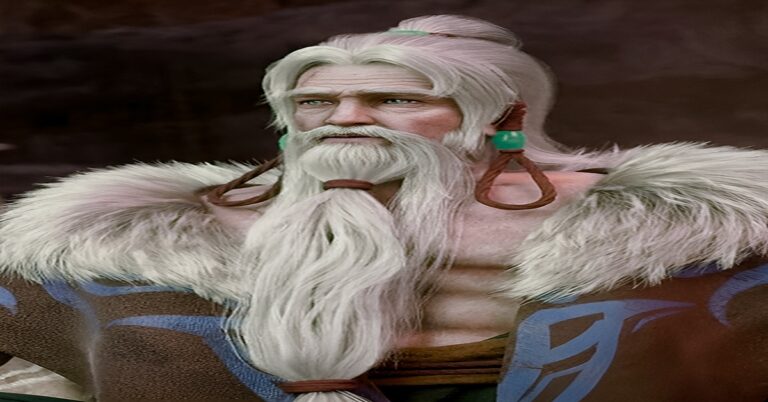
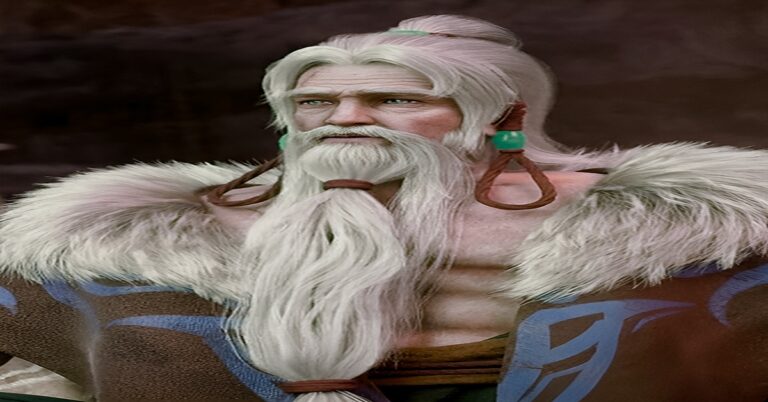
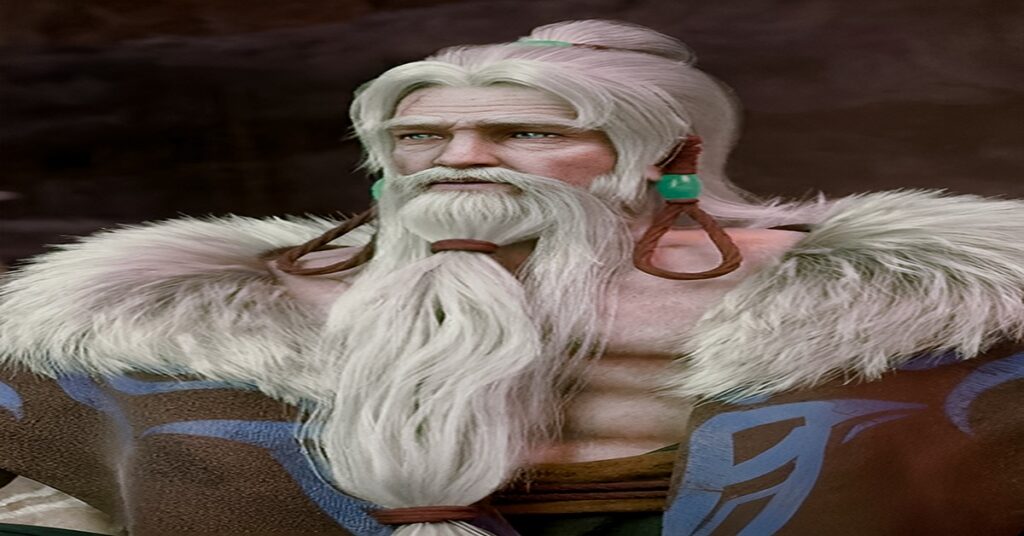
Wise Mentor
Usually an elder cultivator with profound wisdom, often guiding the hero.
Rival Genius
A talented prodigy who challenges the main character and pushes them to grow.
Mysterious Villain
Donghua villains are often:
- Intelligent
- Strategic
- Tied to ancient secrets
- Complex in morality
This creates layered storytelling.
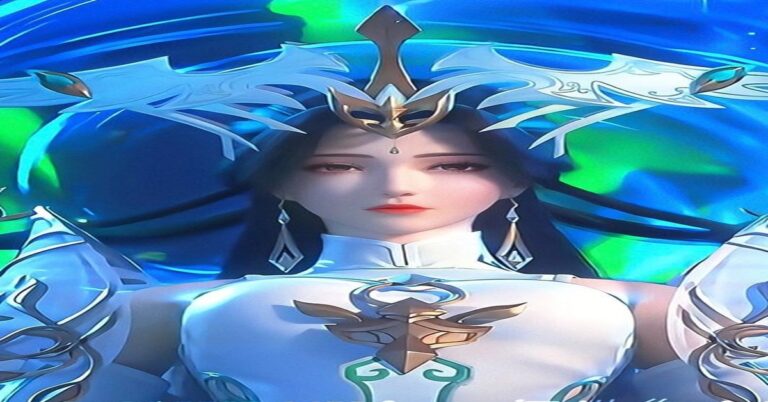
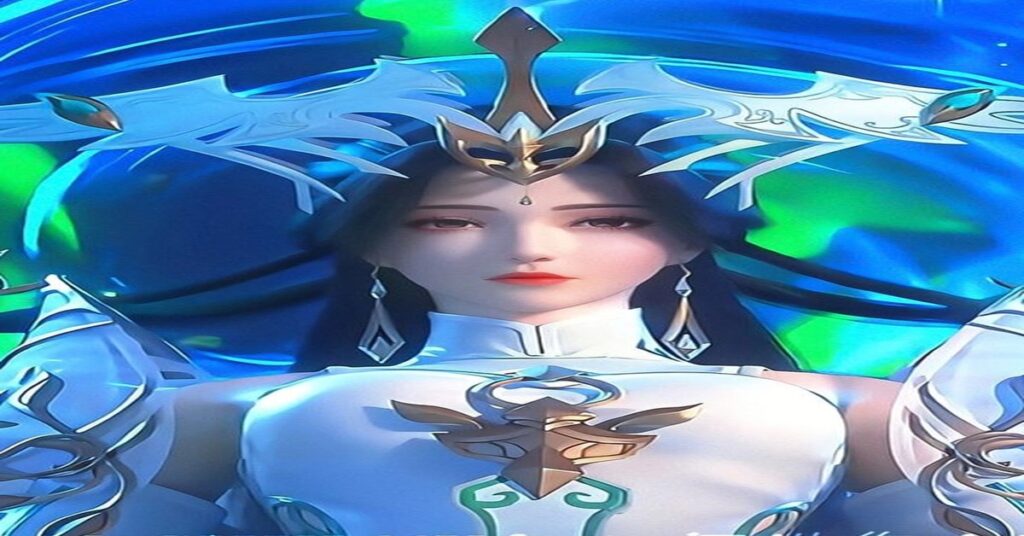
Strong Female Characters
Modern Donghua includes powerful female characters:
- Cultivators
- Demon queens
- Sword masters
- Empresses
- Strategists
Titles like White Snake and Perfect World elevate strong female roles.
Business Ecosystem Behind Donghua
Donghua isn’t just an art form — it’s a rapidly expanding industry supported by multiple sectors.
Streaming Platforms Fueling Growth
Major platforms investing in Donghua include:
- Bilibili
- Tencent Video
- iQIYI
- Youku
- Mango TV
These platforms produce exclusive series, similar to Netflix Originals.
Merchandising and Licensing
Popular Donghua titles generate revenue from:
- Figures and collectibles
- Posters
- Apparel
- Novel reprints
- Manhua adaptations
- Light novel spin-offs
This helps creators fund more seasons.
Mobile Games & Cross-Media Expansion
Many Donghua become mobile games, such as:
- Douluo Dalu games
- BTTH action RPGs
- Mo Dao Zu Shi mobile storytelling games
Cross-media expansion strengthens brand value.
Global Fanbase and Its Growing Influence
International fans play a major role in Donghua’s success.
Fan Subbing Communities
Before official subtitles became common, fan communities on:
- Discord
- Telegram
- Forums
created subtitles to make Donghua accessible worldwide.
Reaction Channels & Social Media Creators
YouTubers and TikTok creators react to:
- Fight scenes
- Emotional episodes
- Donghua openings
- Cinematic trailers
These reaction videos help spread Donghua to new audiences.
Fanart, Edits & AMVs
Fan creativity boosts visibility through:
- AMVs on YouTube
- Character edits on TikTok
- Fanart on Instagram and Twitter
- Cosplay at global conventions
This community-driven promotion is powerful and organic.
Editing Styles & Cinematic Direction in Donghua
Modern Donghua uses highly cinematic editing techniques inspired by:
- Eastern martial arts films
- Hollywood action movies
- Chinese historical dramas
Dynamic Camera Movement
Fight scenes often feature:
- Rotating camera angles
- First-person shots
- Wide landscape shots
- Slow-motion impacts
These techniques create an immersive experience.
Color Theory & Symbolism
Color is used to represent:
- Qi levels
- Emotional states
- Power transformations
- Cultural symbolism
For example, red fire qi, blue ice qi, or golden divine qi.
Cinematic Storyboarding
Storyboarding blends:
- Film pacing
- Manga panel composition
- Traditional painting
This gives Donghua a unique visual flow.
Future Potential of Donghua on Global Platforms
The next decade will be transformative for Donghua.
Possible Global Collaborations
China may collaborate with:
- Japanese studios
- Korean studios
- Western studios (Netflix, Amazon)
Hybrid productions will bring new styles and larger audiences.
Rise of Donghua in Western Theaters
Following the success of:
- Nezha
- Jiang Ziya
- New Gods series
More Donghua films may receive global theatrical releases.
VR and AI-Assisted Animation
Future Donghua might include:
- VR-based immersive episodes
- AI-assisted character animation
- Real-time rendering engines
This will dramatically change animation production speed and quality.
Role of Art Styles in Shaping Donghua Identity
Donghua is distinctive not only for its stories and mythological elements but also for its evolving art styles. Each decade has introduced new experimental visuals, creating a diverse animation landscape that appeals to global audiences.
Traditional Ink-Wash Influence
Many Donghua productions incorporate Shan Shui (traditional Chinese landscape art) and ink-wash techniques, giving scenes a poetic, painting-like feel.
Features include:
- Soft brush strokes
- Misty mountain landscapes
- Natural color palettes
- Gentle contrasts and elegant textures
This style is especially used in historical or cultivation-themed Donghua, helping reinforce cultural authenticity.
High-Detail Character Designs
Modern Donghua features increasingly detailed character models—sharp eye designs, realistic hair flow, detailed armor, expressive facial animation, and intricate costume patterns inspired by ancient dynasties.
Character designs typically reflect:
- Sect clothing
- Spiritual energy symbols
- Clan colors and emblems
- Royal motifs
- Weapon inscriptions
These design decisions deepen world-building and immerse viewers in the lore.
3D Hybrid Action Scenes
The growing trend of 3D hybrid animation gives Donghua a bold, dynamic edge.
Studios blend:
- 2D expressive characteristics
- 3D fight choreography
- Particle effects for spells and qi
- Environmental destruction effects
This combination results in smoother battles, cinematic transitions, and polished spectacle.
Powerful Use of Symbolism in Donghua Narratives
Symbolism is deeply rooted in Chinese culture, and Donghua integrates these ancient metaphors into modern storytelling.
Spiritual Energy and Color Themes
In cultivation-based Donghua:
- Red represents passion, fire, or rebellion
- Blue/white represents calmness, frost, or intellect
- Gold symbolizes heavenly power or divine status
- Black reflects demonic power or forbidden arts
These symbolic colors enhance emotional intensity and guide viewers through complex power systems.
Animals as Metaphorical Guides
Traditional creatures symbolize deeper meanings:
- Dragons → Authority, wisdom
- Phoenixes → Rebirth, purity
- Tigers → Strength, courage
- Snakes → Transformation, intelligence
Donghua frequently uses these motifs to foreshadow character destinies.
Evolution of Donghua Fandom Culture
Donghua fandom plays a major role in the ecosystem, just like anime fandom in Japan. Fans contribute energy, feedback, and global promotion.
Fan Theories and Community Discussions
Communities analyze:
- Hidden lore
- Power levels
- Symbolism
- Plot foreshadowing
- Character arcs
Platforms like Reddit, YouTube, and Bilibili thrive on theory videos, breakdowns, and episode reviews.
Cosplay and Convention Growth
Donghua cosplay is gaining international popularity. Characters from Mo Dao Zu Shi, Link Click, Soul Land, and Perfect World are frequently represented at global conventions.
This drives merchandise sales and strengthens brand identity.
Educational and Cultural Importance of Donghua
Beyond entertainment, Donghua plays a vital role in sharing Chinese culture worldwide.
Historical Lessons Through Animation
Many Donghua indirectly teach viewers about:
- Dynastic history
- Ancient kingdoms
- Chinese philosophy
- Confucian values
- Wuxia traditions
- Daoist beliefs
Anime fans who start watching Donghua often develop a strong interest in Chinese culture and mythology.
Moral Lessons and Philosophy
Just like ancient stories, Donghua includes philosophical themes such as:
- Karma
- Destiny vs free will
- Loyalty
- Honor
- Sacrifice
- Self-improvement
This gives viewers depth and reflection beyond action-packed scenes.
Conclusion
Donghua has evolved into one of the most influential animation industries in the world. What began as traditional, hand-drawn mythological adaptations has now become a multimedia empire powered by advanced CGI, innovative storytelling, and global fandom support. The magic of Donghua lies in its perfect blend of culture, technology, mythology, and emotional depth, creating experiences that resonate with millions across continents.
In conclusion, Donghua is no longer just an animation genre—it is a cultural force. Its ability to blend tradition, creativity, and technology ensures that it will remain a dominant and beloved storytelling art form for generations to come.